Matthew 16;13-20, 21st Sunday in Ordinary Time
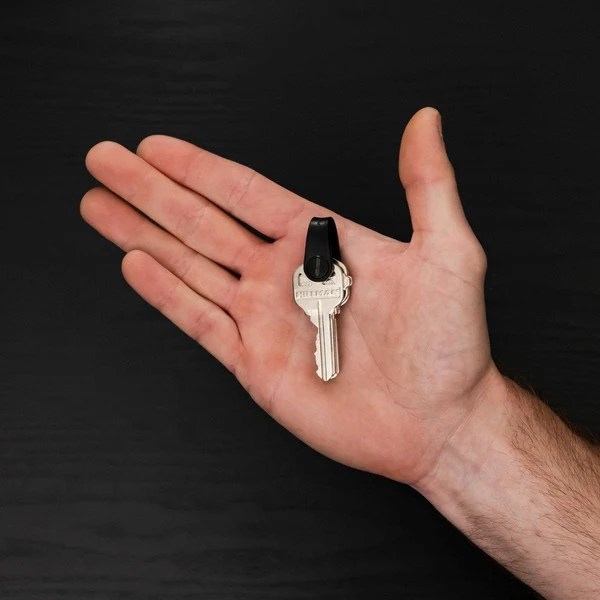
The person who has keys is someone who can open many doors. Keys signify power, the power to open and close doors, the power to give or deny access to what lies inside. We keep valuable things under lock and key.
We sometimes think of heaven as a gated place. Not to worry though. Today we are told there are those who hold keys to the treasures of heaven. In the Gospel, Peter is the keyholder. In the first reading, it is Shebna at first, but the key to the palace is later taken from him and given to Eliakim.
I suggest three points for us to reflect on these two stories that bookend God’s word to us today.
The first point: God trusts us enough to share with us this fearsome power to let people in or to keep them out of heaven. This power is not exclusively ours nor is it absolute. It is something that can even be withdrawn as in the case of Shebna.
Shebna had the keys to the king’s palace. But he abused that power. He used it to build a lavish tomb for himself. If he could do that, just imagine how fancy his living mansion or mansions must have been. Power got to him the way power gets to those who build dynasties to outlast themselves. Thankfully, a simple lifestyle check was enough to convince God to withdraw the key and give it to Eliakim.
After all, we are just keyholders. We hold the key to heaven because we are trusted by God to close or open the door of heaven not to ourselves but to others. We only hold the key in trust from God. Let us take care always not to break that trust.
The second point: God’s trust is given only after a true confession. After Jesus asks his disciples about what people say of him, he turns to them and looks them in the eye: “but you, who do you say that I am?” It is Peter who is bold enough to proclaim, “You are the Christ, the Son of the living God.”
We can sometimes miss the radical boldness of Peter’s confession. The public opinion polls of his time did not bear him out. Even to this day, there are times that try our faith, times of pain and doubt that leave us wondering whether the man that hangs on the cross is indeed the anointed One, true God and true man, the Son of the living God.
Before God entrusts to us the power to open or close the gates of heaven, we will be asked who Christ is for us. Let us then try to know Christ more, so as to love him more dearly and follow him more closely. Our personal intimacy with Christ our Lord comes before anything else. We are asked to make this confession of faith not once but daily, and not only when things are going our way.
The third and last point has to do with how we have used the key to heaven that has been entrusted to us, this terrible power that is in our possession. How have we opened or closed heaven’s doors to others?
To answer, it helps to remember those whose words and actions have opened heaven to us. Who are these keyholders in our lives who have brought us nearer to God? Who are those we have loved, those who have loved us, those we have lost and mourned for, our children, a friend or companion, perhaps even those who have tried our patience?
It also helps to recall those who by their lack of mercy and compassion are able to convince us that heaven does not care. They shut our hope in God who abuse their power, build monuments to themselves, and play God. We can be those people too. By our hardness of heart, we can make it hard for others to believe that God is love.
We may think of heaven as a gated place. Not to worry though. There are keyholders everywhere who (knowingly or not) will unlock it for us. Let us pray to be grateful to God for the keyholders in our lives. And pray too for God to trust us to hold the key that will help others enter into his love and mercy.
 One Lost Sheep
Thank you Ninang Deb. So relatable. Mercy
Sent from Yahoo Mail for iPhone
LikeLike