Matthew 22:34-40, 30th Sunday in Ordinary Time
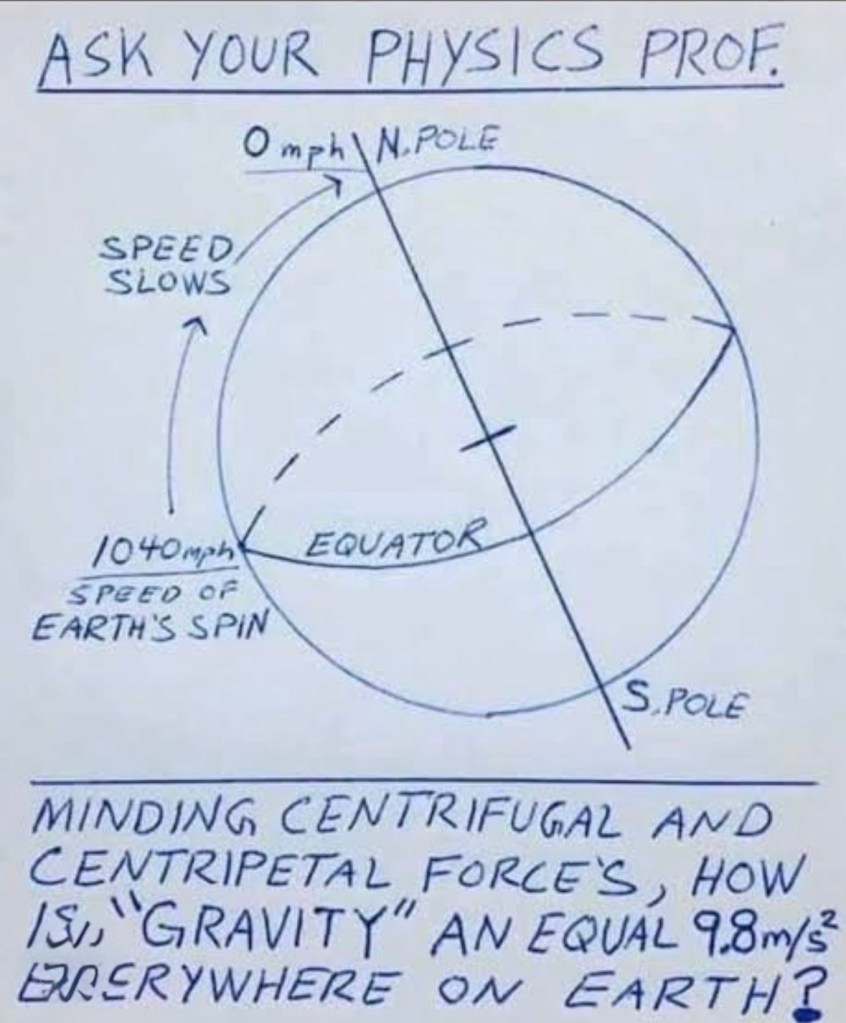
Near the equator, we are spinning at about 1,700 kph. Thankfully we do not get dizzy. In such a rotating platform, two forces act on us. The first pulls us inward, toward the center of the planet. Centripetal. The second pushes us outward, away from the center. Centrifugal.
For an object to stay put on a spinning platform, these two forces are in balance. The centripetal balances the centrifugal; the inward matches the outward. Otherwise, spinning objects would fly off on a tangent or spiral into the center.
In our Gospel today, the two commandments to love God with everything that we are and to love our neighbor as ourselves are like these two central forces. To love God is centripetal. To love ourselves is inward directed. To love our neighbor is centrifugal and aimed outward.
Today, the Lord asks us to keep these inward and outward movements of love together.
Love that is all outward spins us off on a tangent. Love that is all centrifugal scatters us all over. Love that is all focused on neighbor eventually drains us. It is the center that refreshes and moors our love.
On the other hand, love that is all inward is like a blackhole. It takes us out of orbit and pulls us into the hole. Love that is all God and all self turns us in on ourselves. It is the outward flinging toward neighbor that keeps our love in motion.
We learn about love’s outward motion toward others from being loved ourselves. The outward impulse comes from the inward. We learn to love our parents from being loved by them. We learn to care for others from being cared for ourselves.
Early on in our lives we discover love to be reciprocal. As children, we learn to return love with love. We learn to give because we too have received. If we are able to love at all, it is because we have been loved first.
In time, love acquires its own momentum so that love is sustained even if it is not always reciprocated. May sarilingbuelo ang pagmamahal. Even if those who have loved us can no longer do so, we continue to love them. Even if our parents are not as strong anymore, our love for them does not weaken. Even if our children are no longer as present as before, our love for them does not falter.
This momentum of love does not stop with those who are within the orbit of our lives. In our first reading today from Exodus, God is clear about who else we are to love. We are to care for the foreigner and widow and orphan. Our love must concern those who are dislocated from home, those who have nothing and no one to turn to. Our love is to include those who are hard to love, those who cannot love us back, those outside our orbit who are vulnerable and in need.
We love this way because this too is the momentum of God’s love. God cares for us because in truth we are immigrants in a universe that is not really our own. In God’s eyes, we are the widow and orphan, the poor and lost, dislodged from Paradise and bumbling our way back home.
Where shall we draw the strength we need to sustain our love?
On our own, we know our love would easily lose momentum. If we are able to love at all, it is because God has loved us first. As God has first forgiven us, so are we able to forgive each other. The outward momentum to love others is sustained by the centering love God has for each and every one of us.
Even if our love should fall apart, God will always love us. It is God who in Jesus Christ opens our eyes to our own loveliness, scars and smells and all. As God is patient so are we to be patient not only with our neighbor but with our own selves as well.
Our universe has a lot of spinning objects. We happen to be sitting on one such spinning planet in a spiraling galaxy among a whirl of countless galaxies. Perhaps God likes to make them spin not to make us dizzy but to let us see how all our loves (inward and outward) would inevitably spin out of orbit without the centering love of God.

