John 11, Fifth Sunday of Lent
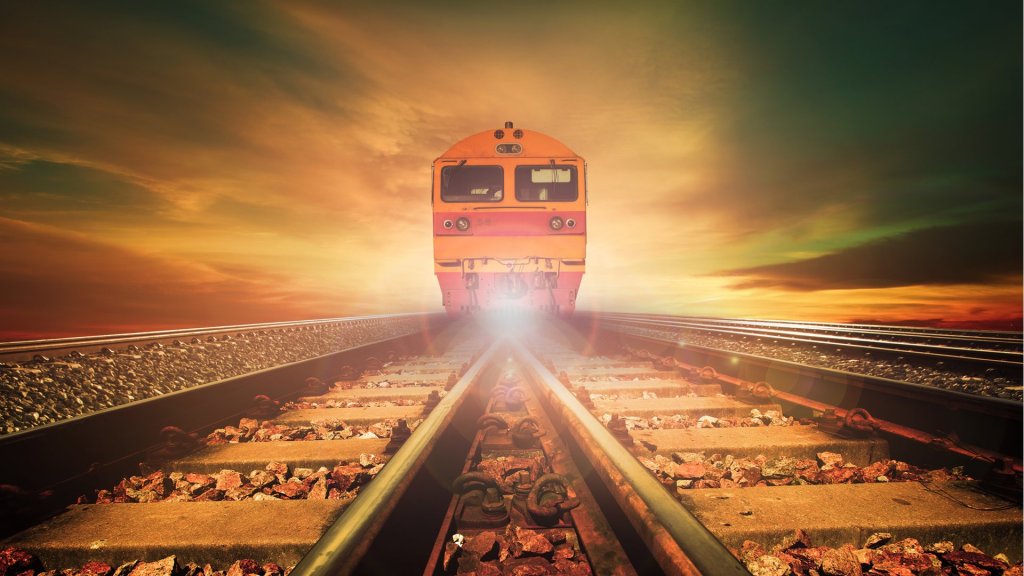
The artist David Medalla once asked me, “Father, why do we go on living if we know we’re going to die.”
I don’t remember what my answer was, except to suggest that life is like riding a train. We don’t just get off the train even if we could, even if we know that we are eventually getting off the train. We choose to go on living. We do not just jump off. We choose to ride it to our destination.
Of course this presumes we have a sense of what our destination is. There may be stops along the way. Still we do not get off the train until we reach the terminal or end of the journey.
This also presupposes I guess a sense of what makes for a full journey, a life lived to the full. Even if we had a bucket list of to-do’s before we kick the bucket, I suspect that wish list of wishes would never really end for as long as we live. Perhaps this is why we try so hard not to cut the journey short. There are no shortcuts to our destiny.
If you ask Ignatius Loyola where our terminal is, he will say, our final stop is to live with God forever. That’s the last stop, and it’s not just about extending our lifespan. After all, like the galaxies and stars of the universe, we are not eternals. Even Lazarus who was given his life back had to die again.
Our destiny is to live with God forever. The communion with God is what matters. Without God, we are dead as leaves fallen on the ground.
The forever living with God does not start only when we’ve reached the end of our human journey. Eternal life with God is offered not only when we disembark. The offer begins the moment we board the train, from that gracious point of conception, and continues all throughout our lives.
Come to think of it, the truly wondrous thing is that we are on this train at all. We know we alone cannot bring life to ourselves. Life is gift. We did not buy a ticket to get on this train. We are not entitled to the seats we are now occupying. If we are on this train, if we have life, it is only out of God’s graciousness.
All throughout this train ride, we are given glimpses of life forever with God. We remember them as moments of love and light and peace. We cherish these moments of wholeness and communion, of friendship and sacrifice. They may be all too brief, but they are luminous and real and they show us something transcendent about ourselves and our destiny.
In between these glimpses, there are moments that remind us of our mortality. Moments of waiting and heartbreak and loss. Moments that try us and tempt us to give up and lose heart. Times of tears even that make us question the point of being on this journey.
The first sign of Lazarus is the sign of Jesus in tears, Jesus broken with us broken, Jesus weeping with us who weep. The tears tell of God’s tenderness and affection and love. To us they are signs not of an immovable God but of God who is shaken to the core by our sorrow and death.
The second sign of Lazarus is the sign of life. Life is God’s dearest desire for us. God desires life not death, peace not war, love not hatred, compassion not apathy. Death is not from God, nor is it our destiny. It is not the final stop of our human journey.
The third and last sign of Lazarus is the sign of Jesus begotten of the Father, God from God, accompanying us through all the joys and sorrows of this journey up to the very end. If we so hold that our very end is to live with God forever, it is because of the sign of Lazarus through whom Jesus reveals to us who he truly is, the glory of God.
Why then do we go on living even if we know we are going to die? We go on living not because we cannot help it. We choose to stay on this train to receive the life that God offers us in Christ our Lord, and to share that life with others to the very end, at peace in knowing that our final stop is to live with God forever.
*image from the internet
 One Lost Sheep
Thank you Ninang Deb. Fr. Villarin’s homilies are for keeps. Mercy
Sent from Yahoo Mail for iPad
LikeLike