Matthew 23:1-12, Tuesday of the 2nd week of Lent
We have friends who are almost invisible in gatherings. When asked for an opinion, they would smile politely and say very little. Even when gently nudged, they shrug and pass. They are softspoken, non-confrontational, and harmless.
But online? They are entirely different persons. Their posts trigger reactions. They promote conspiracy theories with conviction. They warn of hidden plots. They challenge “mainstream narratives.” They debate strangers intensely. The quiet persons in the room became crusaders behind the screen. It makes me wonder: “Which version of them is real? Perhaps, too, we can also ask, which version of ourselves is real.”
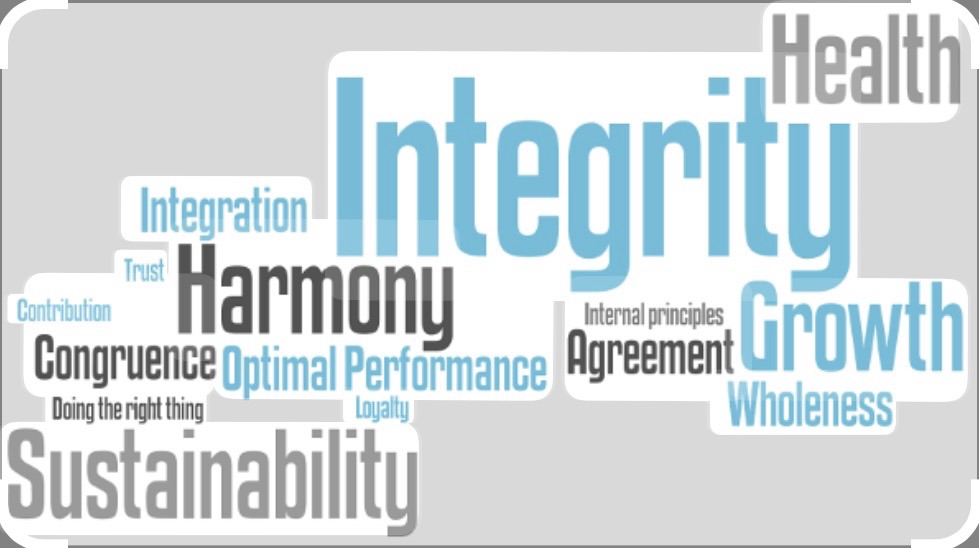
Today’s readings help us respond through three kindred words: Harmony. Wholeness. Integrity. They are closely related, yet they reveal distinct dimensions of the same grace.
First, harmony. The prophet Isaiah cries out, “Wash yourselves clean … learn to do good.” The Israelites worship and offer to God. But their daily conduct moves in another direction. Their lives arc out of tune. Harmony happens when prayer and action sing the same song: when hands lifted in praise also lift up the vulnerable when lips that praise God also promote justice.
Second, wholeness. Psalm 50 thanksgiving expressed through a life centered on Him. He does not desire fragmented, compartmentalized lives: a life that is devout in one hour and destructive in the next. Wholeness is a heart gathered and centered in Jesus where praise, disposition, and action flow from that one center. It is a disciplined, gathered heart. It is the fervent decision to do what is right whether we are in the room or behind the screen. It is a life not divided into spiritual and secular, public and private, online and offline.
And when that gathered heart begins to shape our words and actions, it becomes integrity. In the Gospel, Jesus speaks of those who “say but do not do.” The scribes and Pharisees teach correctly, but their lives contradict it. Jesus demands a life where proclamation and practice correspond.
That is integrity. It is when the inside and the outside agree. When the private discipline of the heart becomes public consistency of life. Authority grows from authenticity and influence flows from integrity. People listen when words are backed by a consistent life.
Friends, when we live in harmony with God, our hearts become whole, gathered under one Lord and disciplined by one love. From that wholeness flows integrity, where our words and actions are consistently aligned.
At this point, some of you may have typed already or will soon type “Amen” in the comment section just as you have said Amen, so far. And that is commendable. But, friends, Amen is not and should not just be a reaction.
Amen, after all, means, So be it in me. When you say or type “Amen,” you are not just agreeing. You are consenting to transformation. You are saying: Let my online voice and my offline life harmonize. Let me be whole so that the faith I profess publicly shapes how I speak privately. Let my convictions be visible not only in posts, but also palpable in patience. Because an authentic “Amen” leads to integrity.
That is what happens at Mass. Bread and wine become what they signify. We receive Christ, physically or spiritually, no longer just bread so that our lives may also become what we receive.
And Isaiah assures us that this transformation is possible: “Though your sins be like scarlet, they shall become white as snow.” Despite our inconsistencies, the Lord delights in our Amen. He restores harmony where life has lost its rhythm. He gathers what has been scattered and makes the heart whole again. And from that wholeness, He shapes a life of integrity.
So before you type or say “Amen” by mental default, pause. Align it in your heart before it reaches your mouth that proclaims or your fingers that type. Let it mean: Lord, bring my life into harmony with You. Make me whole. Form in me a life of integrity. Amen.
 One Lost Sheep