Matthew 6:7-15; Thursday of Week 11 in Ordinary Time
Let me start with a personal story. One that brings me back to my childhood.
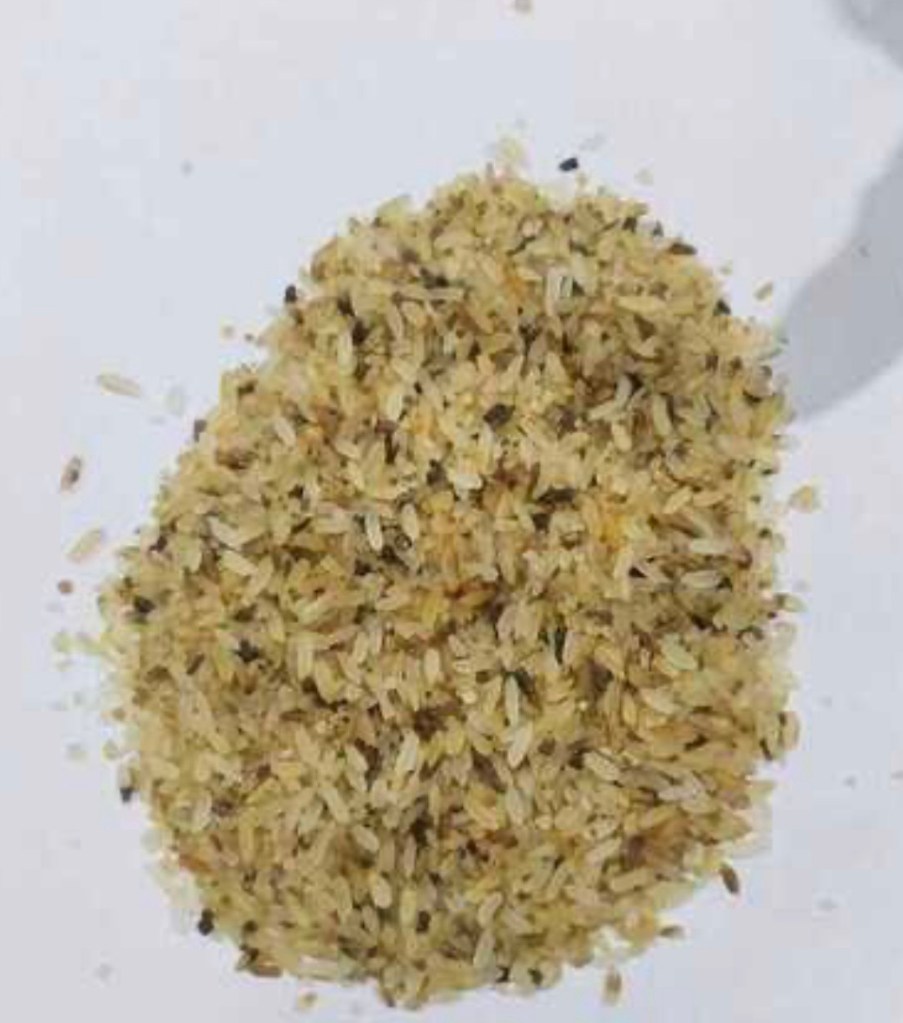
There were times in our family’s life when we had very little. Hindi biro ang kahirapan. And during those times, I remember going to our neighbor’s rice mill,vnot to buy rice, but to collect what others would just leave behind: binlod we call it or maybe binlid for most—those tiny, broken bits of milled rice that had fallen off the side of the machine.
When you are not used to it, binlod is not too nice to look at. Minsan buo, mostly durog, madalas may halong bato at ipa. To be honest, we only discovered binlod while trying to find cheaper food alternatives… for our dogs. But to our surprise, when we gathered enough of it, cleaned it properly, and cooked it, nakakabusog din pala. Bit by bit, what seemed like nothing became enough to fill us. And that, in hindsight, is how I slowly came to understand how God provides.
Mostly not through grand miracles or feasts, but through binlod—through quiet, ordinary, broken blessings. Not all at once, but bit by bit. Day by day, He gives us just enough. He gives us our daily bread.
Today in the Gospel, Jesus teaches us how to pray – not with endless words, but with depth and trust. And right at the very center of the Our Father is this one line: “Thy will be done, on earth as it is in heaven.” Sundin ang loob Mo. Matuman ang Imong pagbuot.
“Your will be done” sounds easy. But truly, it’s one of the hardest lines to pray with conviction. Kasi natural sa atin to ask: “Ano ba talaga ang kalooban ng Diyos para sa akin?” (What really is God’s will for me?) “At paano ko ito matutupad kung hindi ko naman agad makita?” (And how can I fulfill it if I can’t see it clearly right away?) Maybe that is why we have the CIS (Center for Ignatian Spirituality) to help us see, kasi hindi talaga siya madali. Or even a 10-month candidacy program in Arvisu House, because it takes time to pray and discern God’s will for us.
But like binlod, God’s will often comes to us in fragments. A quiet stirring. A difficult decision. A surprising encounter. A conversation that unexpectedly moves something in you.
Rarely does God drop a full, detailed plan from heaven. Instead, He gives us just enough light for the step we need to take today. In the Ignatian tradition, we call this process discernment. It’s not about figuring everything out. It’s about learning to listen.
Bit by bit, we receive God’s will. We reflect on our deepest desires, we pay attention to what gives peace and what unsettles, and we ask “Where is God quietly leading me today?”
It’s slow, yes. And sometimes confusing. But like binlod, these small promptings—if received with faith—can be enough to sustain us.
I’m reminded of a wise old Filipino Jesuit philosopher—Fr Roque Ferriols, SJ—who, when asked by a younger Jesuit scholastic about his prayer life at the age of 80, said something really striking: “I still pray to know God’s will for me…and for the humility to follow it.” At 80. After a lifetime of teaching, serving, thinking, and philosophizing, he still saw himself as a student of God’s will. Still collecting binlod of grace.
Because God’s will is not something we unlock once and for all. It’s something we discover and rediscover in every season. Even science backs this up. Studies show that people who live with a strong sense of purpose—especially as they age—live longer, healthier, and more joyfully. But what gives us meaning changes with time. In youth, it’s growth and identity. In midlife, it’s about family and stability. Later in life, it’s about reflection, peace, and integrity. At bawat yugto ng buhay, may binibigay ang Diyos.
In the First Reading today, we see Paul giving of himself fully, not for applause, but because he had surrendered to God’s will. He didn’t do it all at once. It was day by day, letter by letter, mission by mission. Bit by bit.
So let me end with this simple invitation. Ask yourself: What is God asking of me today? Not next week. Not ten years from now. But today.
Maybe it’s a small act of kindness you’ve been postponing. Maybe it’s the courage to forgive or to ask for forgiveness. Maybe it’s simply showing up to prayer, even when you don’t feel anything. That may be your binlod for the day.
God’s will is not always loud or dramatic. It’s often quiet. Small. And broken. But when gathered and received with love, it’s enough. Even sometimes, more than enough to fill us.
So we beg for this grace, that we may recognize the binlod – the quiet, overlooked, unexpected graces of God’s will in our lives, one moment at a time. Bit by bit. Amen.
 One Lost Sheep
thank you father for this. Yes , we had binlod too as lugaw when I was young. That’s all we have to have our meal especially during the time when rice was so expensive and so scare
LikeLike
Thanks a lot again Ninang Deb. Bisaya pala is Fr Sumera. I understand binlod. My father said it has more nutritional value than rice itself. I forget why. Mercy
Sent from Yahoo Mail for iPhone
LikeLike