Luke 6:17; 20-26; 6th Sunday in Ordinary Time
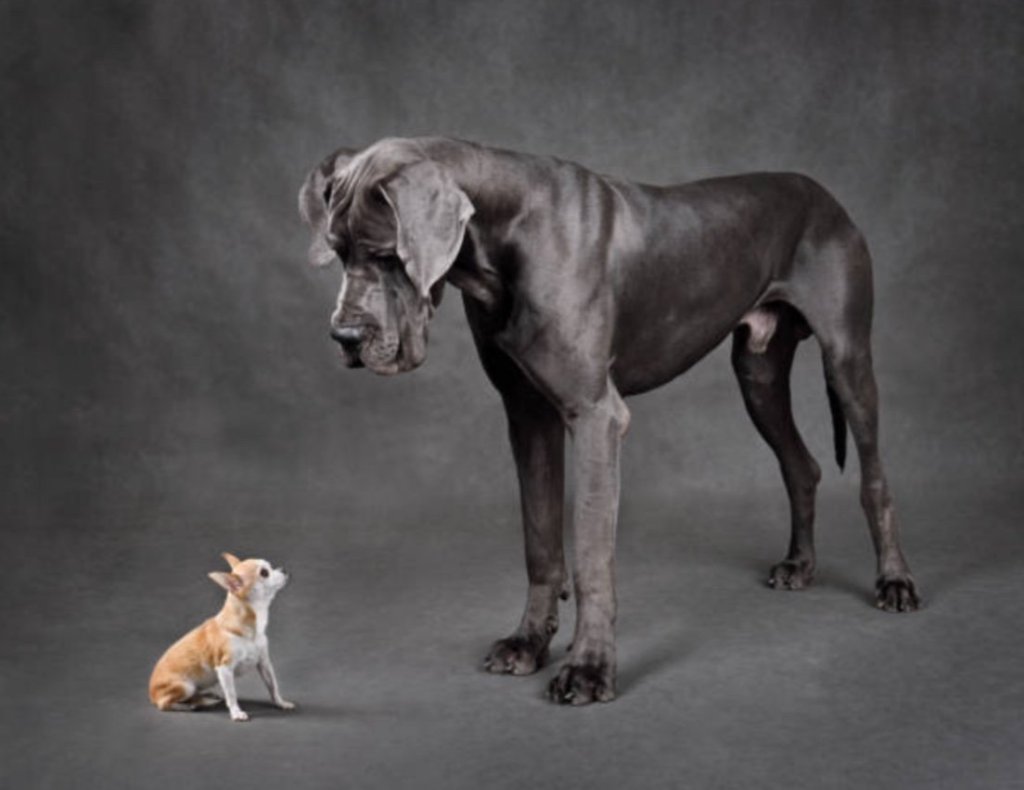
The word “underdog” came out of dogfights where some people would bet on the dog with the greater chance of losing. They had a gut-feel that the underdog had what it took to win in an upset. An upset, as we know, is when the weaker challenger defeats a stronger opponent.
According to Jesus’ Beatitudes, that upset will happen to the underdogs of his time: the poor, hungry, weeping, and hated. Why were they poor and hungry? Caesar owned all lands in Israel. He leased them to the Herods and collected tax. The Herods leased them to cronies and collected tax. The cronies leased the lands to tenants and squatters and collected even more ridiculous taxes, impoverishing and starving the poor. Why were the poor “weeping”? Well, aside from the difficulties in life, they were made to believe they were far from Yahweh because they were impure. But if you were desperate to just eat for another day, every day, would you still scruple over what to touch, not touch, say, not say, where to go, not go, what to wash and how? Ritual purity was important. Pero magri-ritual-purity ka pa ba kung nakatitig sa ‘yo mga anak mo sa gutom? Finally, why were they hated? Well, church and state regarded the poor as stubborn, unwashed eyesores. But the Beatitudes, ah! They promised the underdogs an upset.
Rooting for the underdog is our pambansang psychology as Pinoys. Kaya lang, may downside. People have taken advantage of our fondness for the underdog. To score points with us, they self-advertise as poor once-upon-a-time, hungry, wretched, and api. In a word, underdogs! Kahit na ni kailanman hindi naman sila naging biktima. But see, sisters and brothers, playing the victim in the political sphere works because it’s been an effective modus operandi in our smaller spheres of relationships.
I see two occasions where we often play the victim card. First, when we want to turn our friends against our personal enemies, kahit wala naman silang kinalaman sa away natin. We try to snag their sympathy by skewing the narrative and making ourselves appear the faultless one, the kawawa. Even when we very well know we “had a dog in the fight,” as the expression goes. Second, we play the victim when we make excuses instead of taking responsibility for the cracks in our relationships. “Ok, I had a series of affairs. But only because my spouse and my children don’t appreciate me anymore.” “You judge me as controlling and manipulative. But I just wanted the best for you and the project.” “You have no idea how much I’ve given up for you. I hurt you? You hurt me first!” Behind our victim vernacular hides the transgression we very well know we’re guilty of. Tapos nung nabuko na tayo, we assume underdog status. Funny, but just this past Valentine’s Day, I saw a sad meme that aptly describes the victim card: “She stabbed me but pretended she was the one bleeding.”
Jesus’ Beatitudes guarantee that the underdogs, the real victims, will receive their reward. Jesus doesn’t say, “Happy are we, underdogs, for we will avenge ourselves and unleash the same torments our victimizers inflicted on us: poverty, hunger, grief, and persecution!” Sure, Jesus’ “woes” follow the “blessed’s.” But the Beatitudes are called that way because the upset is all about blessings for the victims, rather than vengeance on their victimizers. Jesus was never violent nor vengeful. (I know. Sometimes we wish he were. Especially when we’ve been painfully underdogged.) But then, what will happen to the victimizers in the end? Well, we leave that to God. Final judgment is none of our business, sisters and brothers. In the end, only God is right and just.
You know, sisters and brothers, I imagine the final Beatitude this way. I don’t know why. I just do. ‘Yung mga kapatid nating hindi nakararanas ng ginhawang pangkaraniwan na sa atin, ‘yung hindi nakakatikim ng masasarap na pagkain, ‘yung ni minsan hindi nakatira sa maluwag na bahay, o pinagaling sa sakit ng espesyalista; ‘yung buong buhay nila, sila ‘yung inuutusan, sila ‘yung pinaka-nagbabanat ng buto, pero sila pa rin ‘yung kapos—maybe they’ll be so much happier in the final Beatitude, than we. Oh, we’ll be happy there, too. But since the sheer abundance and freedom of heaven found very little measure in their lives on earth, maybe the poor will be so much happier then, than we who’ve had a taste of heaven on earth many times over. But we will feel okay lang ‘yon. Sige lang. ‘Yun bang parang nagpa-Jollibee si tatay. Tapos nakita natin parang mas masaya kesa atin si ate o si kuya, kasi sila ‘yung hindi nakakaranas ng Jollibee, kasi laging sila ‘yung nag-aalaga sa atin ‘pag wala ang tatay at nanay. Pero okay lang, kuya. Sige lang, ate. Seeing the poor happier than we in the final Beatitude, this will be our happiness. But that’s just my vision. I believe God will not be violent or vindictive in the final Beatitude. But I believe God will be lovingly fair.
“So, Fr. Arnel, do we make ourselves the real victims today so that we may be truly happy in the final Beatitude?” No. That’s masochism, not Christianity. Instead, we do our part in caring for the underdogs and defending the victims here with us. Especially because our nation’s top dogs have had no clear and sustainable plan of uplifting them. Much too busy electioneering or playing the victim. Or both.
Pagdating po ng panahon, who knows, sisters and brothers? The poor, hungry, weeping, and hated of this world, they might just be our best intercessors when the final Beatitude, the final upset is here.
*image from the Internet
 One Lost Sheep
Thanks for sending. Fr. Arnel’s homilies are always unforgettable. This one gives me so much hope. Mercy
Sent from Yahoo Mail for iPhone
LikeLike
Thank you so much Fr. Arnel. I pray that your relevant homilies can reach more hearts and ears.
LikeLike