Mark 14:1-39, Palm Sunday
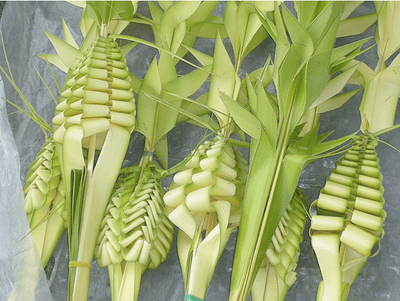
It was a head-turner. This scene of Jesus entering Jerusalem. The people were there for the big feast and they had heard that Jesus was coming. They had heard about Lazarus. They wanted to see Jesus. Even the Greeks who had come for the feast went to Philip, asking him, “Sir, we would like to see Jesus” (Jn 12:21).
And so they brought out the palms and waved them in the wind to welcome a glorious conqueror. They sang their hosannas as we do every time at mass:
Hosanna in the highest. Blessed is he who comes in the name of the Lord. Hosanna in the highest.
They laid their cloaks on the ground to usher in a rockstar and liberator. They had seen the sign of Lazarus, and they were there to behold the wonder of him who was godlike, who they had hoped would not die.
But they missed the sign of the One who was godlike. They missed the sign of the colt he was riding on. How could they have missed what he was not wearing? He bore no armor or crown of steel, this savior riding into the city of God on a lowly colt, not on some stately warhorse. There was no army on the march, no weapons, not even banners fluttering in the wind.
Missing all the signs of the One who comes in the name of the Lord, it is no wonder that most of the people on Palm Sunday were nowhere to be found on Good Friday. Only a handful remained till Easter Sunday. Many of them had all gone like chaff in the wind.
How shall we begin these holy days?
We can begin by confessing how easy it is for us to miss the sign of the One who comes in the name of the Lord. It is not easy because the sign of him who is godlike is the sign of him on the cross.
We can begin these holy days by taking to heart Paul’s hymn to the Philippians in our second reading today:
Christ Jesus, though he was in the form of God, did not regard equality with God something to be grasped.
We can begin by confessing our pride, which blinds us to who we are. It is pride that drives all our desperate grasping at being equal to God. Do we really know what it means for us to be made in the image and likeness of God? May these holy days help us to see again that the One who truly bears God’s likeness is the one who empties himself and takes “the form of a slave”.
We can begin these holy days by confessing our desolation, the futility of all our attempts at self-redemption. It is desolation that blurs our vision. We can start with our fears of failure and weakness and loneliness, our dread of being unknown and unforgiven.
We can begin holy week by turning to our Lord Jesus Christ on the cross. Even while we were sinners, even as we all had gone astray, he offers us mercy. He enters our lives not only in triumphant times of palms and hosannas, but also in painful silences of abandonment and dying. On the cross he offers Paradise to the one who longs for redemption.
Amen, amen, I say to you, unless a grain of wheat falls to the ground and dies, it remains just a grain of wheat; but if it dies, it produces much fruit. (Jn 12:24)
How shall we begin these holy days? We can remember again what Christ our Lord has done for us, offering our presence to him who has always been present to us. We can let him into our lives, we can let him know us and forgive us. We can receive the gift of his body and blood in the Eucharist, hoping that by his dying, death may pass us over, and by his rising, love may bring us to our senses and carry us back again to God.
May we not miss the sign of the One who comes in the name of the Lord, which is the sign of the cross, the sign of God’s enduring and self-emptying love. May we come not just for the palms and the hosannas. May we be found at the foot of the cross on Good Friday and remain with him till after Easter. If we take care not to scatter like chaff in the wind, this alone is enough to begin these holy days.
*image from the internet
 One Lost Sheep
Fr. Jett’s homily this morning
LikeLike