Matthew 21:33-43, 27th Sunday in Ordinary Time
You know how difficult it is to enter Ateneo, right? It’s legendary now. These past months, there’s been a regular turnover of new guards at the gates. So, all faces are unfamiliar to them including ours, campus residents. So, whether we’re in a car or on foot, we also get stopped and scrutinized, understandably. It’s their job. They’re just doing what they’re ordered to do. But it can get exasperating, especially when you’re in a rush. So, I confess, dear sisters and brothers, if with embarrassment, that when I was stopped at the gate a third time, I came this close to blurting out, “Alam mo hijo, hindi ka pa pinapanganak, dito na ako nakatira,” out of sheer exasperation. Or is it…out of entitlement?
I think it’s fair to say that most of us are host to this lurking germ in our egos: the sense of entitlement. I’ve seen entitlement not just among the rich, by the way, but also among the poor; not just in bosses and administrators, but also down rank and file and union members; not just in lay communities, but also in religious congregations. It comes in differing degrees. There’s entitlement that’s fleeting and harmless. But there’s one that’s enduring, scheming, and nasty—a lifestyle.
In first century Israel, there was no such thing as a “Jewish landowner” because Caesar owned Israel and all its lands. “Landowners” were really Caesar’s cronies. They had to pay tribute to Caesar. So, they leased the lands to tenants and charged rent. To be chosen as a tenant was a huge blessing especially at a time when Jews languished in poverty. A tenant earned not just a salary, but also a share in the harvest. For a master to leave his property to tenants was an act of enormous trust and empowerment. Pero ‘yun nga ang problema natin ‘di ba? With great power comes not just responsibility, but also entitlement. So, the tenants in today’s parable go from grateful to greedy, from blessed to malevolent to murderous, from untitled to entitled.
Among many causes of entitlement today, the three most common I’ve seen are: (a) “This place and the people here owe me for bringing us all to where we are now;” (b) “I’m a survivor of humble and persecuted beginnings; I owe my success only to myself and to people loyal to me;” & (c) “I will never be bullied or poor or ugly again.” As a result, the entitled believe they’re exempt from rules, from correction, from vows. They regard higher authority as also beholden to them. They groom yes-men to perpetuate their power. And worst of all, as they ingratiate themselves with patrons and benefactors, they scheme to silence their critics and quash perceived competitors.
I guess, underneath the sense of entitlement lies the sense of ungratefulness. Kapag mapagpasalamat tayo, nakakaala tayo kung saan tayo galing noong tayo’y nabiyayaan. When we’re ungrateful, we forget. We forget what we basically and still share with everybody else: creaturehood, na tayong lahat nilalang ng Diyos, pero hindi tayo Diyos. Na lahat ng kabutihan, kayamanan, at kapangyarihang ikinagagalak natin at ipinagdiriwang natin ngayon, ang Diyos ang nagmamay-ari at nagkaloob, hindi tayo. Tayo’y pinahiraman lamang. Nangungupahan lamang, tenants. All power and position, plus the prestige, praises, and possessions along with them, may expiration date lahat ‘yan. Eventually, we’re x-ed: ex-president, ex-vice-president, ex-consultor, ex-fundraiser. How much people miss having us around or how relieved they are that we’re finished and gone from their lives—that might be a good gauge of where we fall on the entitlement seismograph.
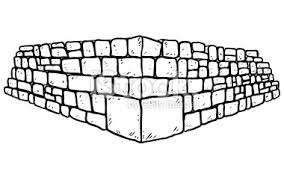
Sisters and brothers, a cornerstone is a fascinating piece of architecture. For centuries, it was the first stone set in position before any construction of a temple, palace, or cathedral went underway. The cornerstone was once a huge, unshapely, quarried boulder. Then, it was carefully measured and painstakingly carved until a magnificently beautiful block emerged. The size and shape of the cornerstone determined the size and shape of the rest of the stones for building. The cornerstone was placed with deliberate precision because it defined the orientation of the whole building. Artisans set cornerstones according to the advice of astrologers. They believed heavenly bodies regulated human life, fortune, and success; as well as failure, misfortune, and death. So, not only was the cornerstone structural and architectonic, it was mystical and prophetic.
When the temple, palace, or cathedral is up and running, we don’t really pay much attention to the cornerstone anymore, do we? Oh, we marvel at memorial stone at the doorway, all shiny, ceremonial, and screaming, “me, me, me.” But the cornerstone? It sits in a corner outside, as it quietly carries all the weight, the orientation, the direction, and the history of everything that presses and bears upon it.
How do we guard and restrain ourselves from being a self-absorbed, gaudy, entitled, imeldific memorial stone? Maybe we can beg our Father to always remind us of our Cornerstone. For upon his shoulders, he carries all our weight. From where he stands, sets our orientation. From where he walks, charts our course. From his rejection by the builders, his suffering and death, he retells our histories and heals them.
So, if we really think about it, we actually don’t need much entitlement… any more than we’ve already been richly, constantly, lovingly blessed. And we already have a title. Mga anak ng Diyos; children of God.
 One Lost Sheep